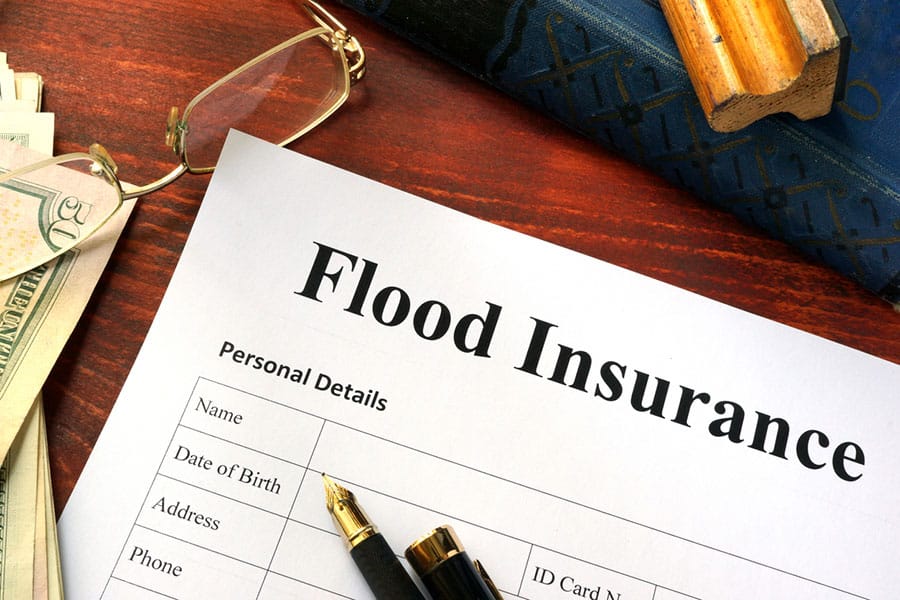
Floods are the most frequent and expensive natural disasters in the United States, yet many homeowners are surprised to learn that standard insurance policies typically don’t cover flood damage. This gap can lead to devastating financial losses, so it’s important to understand whether flood insurance is right for you.
Flood insurance is a separate policy that covers damage caused directly by flooding, defined as a temporary overflow of water onto normally dry land. Most flood insurance is offered through the National Flood Insurance Program (NFIP), although private insurers are entering the market, offering more options and sometimes broader coverage.
A standard flood policy will usually cover structural damage to your home, including the foundation, electrical and plumbing systems, major appliances, flooring, and walls. Personal belongings are also covered up to certain limits. However, there are important exclusions. For example, most policies won’t pay for temporary housing if you’re displaced by a flood, so it’s important to read the details.
The Cheapest Price Is Not Always the Cheapest Cost
You might think flood insurance is only necessary for homes near rivers, lakes, or the coast, but that’s not the case. Statistics show that over 20 percent of flood claims come from properties outside high-risk flood zones. Heavy rainfall, hurricanes, rapid snowmelt, or even blocked storm drains can cause serious flooding far from any body of water.
Consider the story of Julia, who lived in a quiet suburb with no large rivers nearby. A sudden summer storm overwhelmed the drainage system, and her basement took on several inches of water. The cost to repair the damage and replace ruined furniture was more than $25,000, and none of it was covered by her homeowner’s insurance. Without flood insurance, Julia had to pay out of pocket.
The cost of flood insurance varies widely depending on where you live, the value and age of your home, and the amount of coverage you choose. On average, annual premiums range from $600 to $1,200, but in high-risk areas, they can be higher. While this may seem expensive, consider that the average flood claim is over $30,000.
How To Plan for the Worst and Hope for The Best
To decide if flood insurance makes sense for you, start by assessing your risk. Are you in a designated floodplain? Is your community prone to heavy rainfall, hurricanes, or sudden storms? Even if your home isn’t located in a high-risk zone, consider the increasing frequency of “100-year” floods, which, in reality, can occur more often than the name suggests.
When looking for the right policy, start by checking the NFIP’s offerings, but don’t overlook private insurers, who may have more flexible options or broader coverage. Read the fine print carefully to understand what’s included and what’s not, and consider your deductible. A higher deductible will lower your premium but increase your out-of-pocket costs if you need to file a claim.
Preventative measures can also help lower your risk and, in some cases, your premiums. Simple steps like installing a sump pump, keeping gutters clear, and landscaping your yard to direct water away from your foundation can make a big difference. Store valuable items above ground level, especially in basements or ground-floor rooms.
Flood insurance isn’t just for those living on the coast or next to rivers. If a single storm could wipe out your savings, it’s worth serious consideration. Talk to your insurance agent, weigh the risks and costs, and decide if flood insurance is the right move for your home and your financial security. Making an informed choice today can save you from hardship in times of need.